In short
- The five classic styles, or shotai (書体), for Chinese characters are tensho, reisho, kaisho, gyosho, and sosho. Kana, the Japanese syllables, is a separate area of study.
- Kaisho (楷書, regular script) is upright and clear, with every stroke written separately and fully. It is the script of printed type, of Japanese elementary schools, and of these lessons.
- Gyosho and sosho are faster and softer. They are built on the same movements as kaisho but hide some of them inside quick connections, so learn kaisho first.
Five scripts, plus kana
A character can be written in several styles, much as English can be written in block capitals, neat print, or flowing cursive. Here are the five classic scripts and the kana.
| Style | What it looks like | Good to know |
|---|---|---|
| Tensho 篆書 seal script | Even, rounded lines of the same thickness. Looks ancient and decorative. | The oldest of the five. Still used today for name seals (hanko) and seal stamps on artworks. |
| Reisho 隷書 clerical script | Flat, wide characters. Horizontal strokes often end with a graceful flare. | Developed for faster everyday writing by officials in ancient China. Today it is sometimes used for titles and signs that want a classic look. |
| Kaisho 楷書 regular script | Upright and clear. Every stroke is written separately and fully. | The style used in printed type and taught first in Japanese schools. The script these lessons teach. |
| Gyosho 行書 running script | Faster and softer. Some strokes connect, and corners become rounder. | The style of everyday handwriting with a brush. Japanese students usually begin it in middle school. |
| Sosho 草書 cursive script | Very simplified and flowing. Whole characters may be written in one or two movements. | Beautiful but hard to read without training. Often seen in hanging scrolls. |
| Kana 仮名 Japanese syllables | Hiragana is soft and rounded; katakana is short and angular. | Kana calligraphy, with its thin, linked lines, is a separate area of study in shodo. |
Regular and semi-cursive, side by side
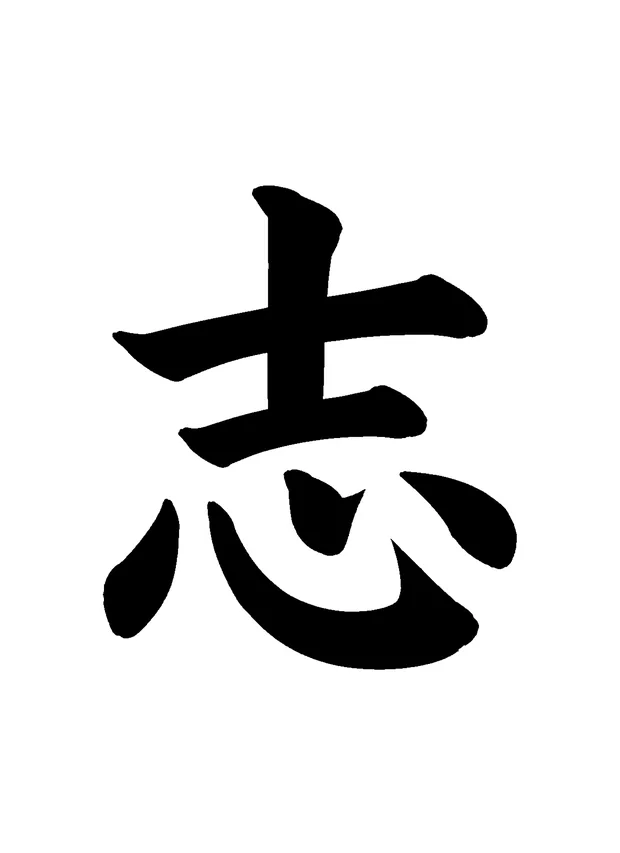
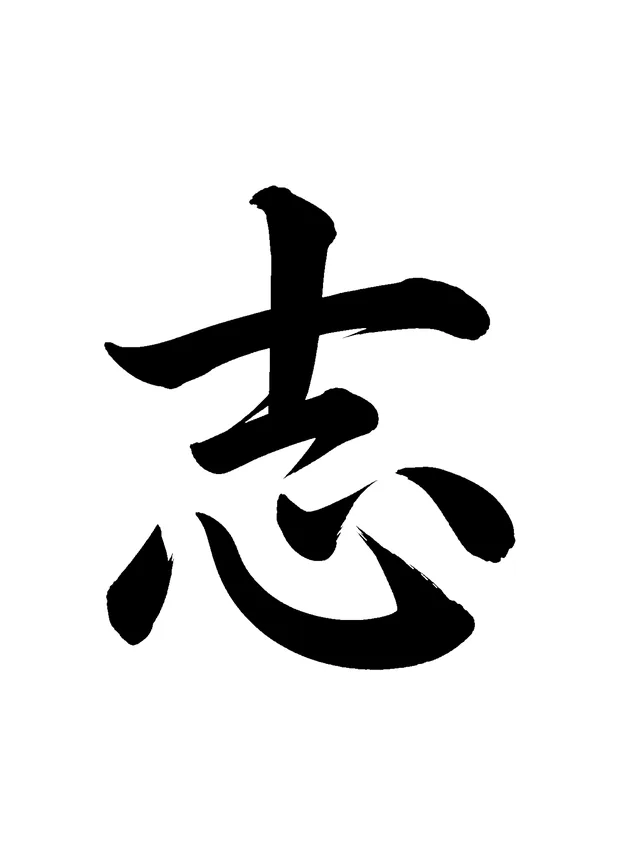
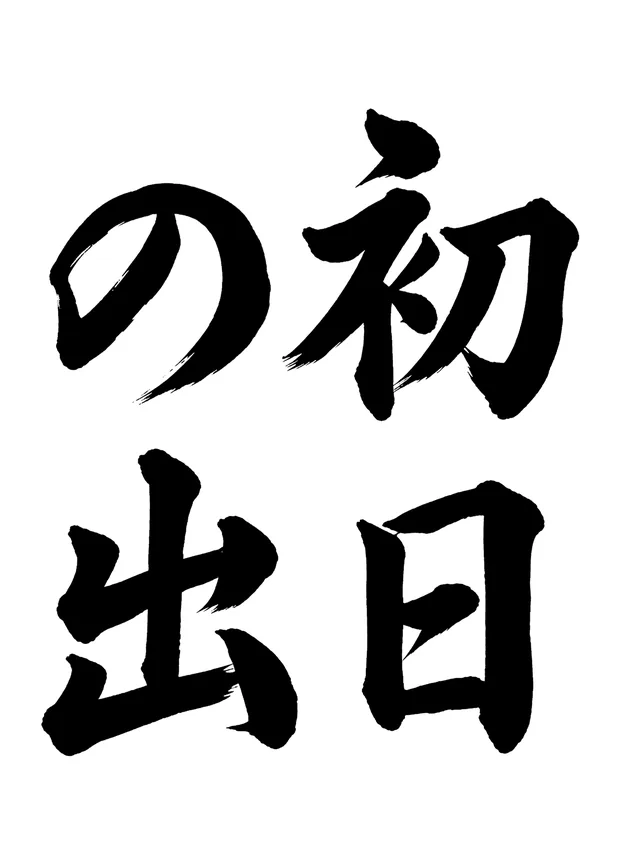
Our teachers wrote these three words in both kaisho and gyosho, the running or semi-cursive script. Kaisho comes first in each pair. Click a model to open its free practice sheet.
志 (kokorozashi), aspiration
Kaisho楷書regular script
Gyosho行書running script
感動 (kando), being deeply moved
Kaisho楷書regular script
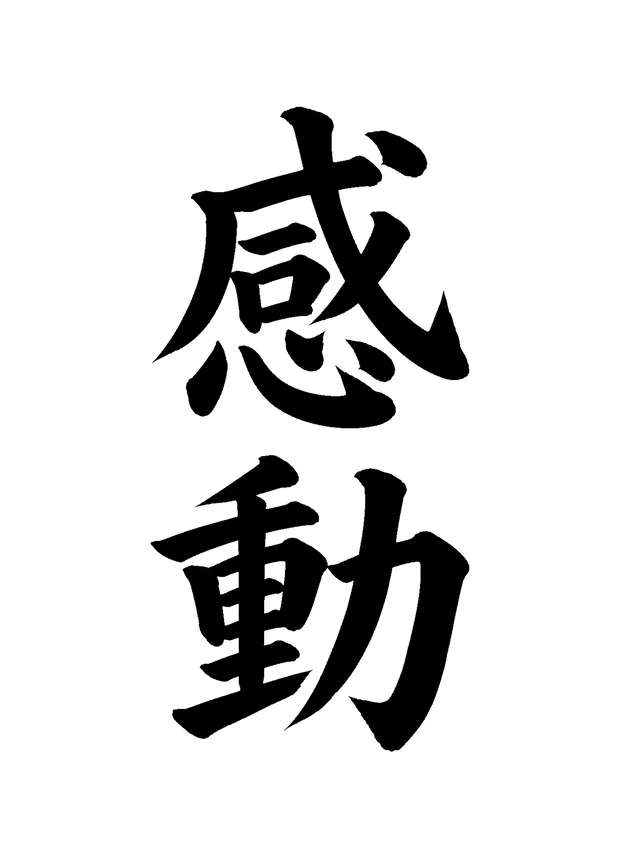
Gyosho行書running script
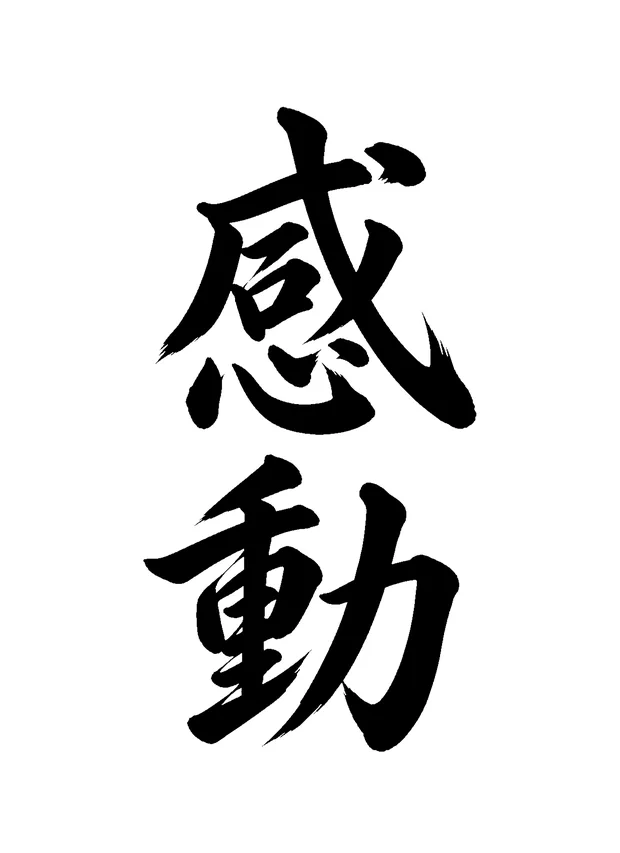
初日の出 (hatsuhinode), the first sunrise of the year
Kaisho楷書regular script
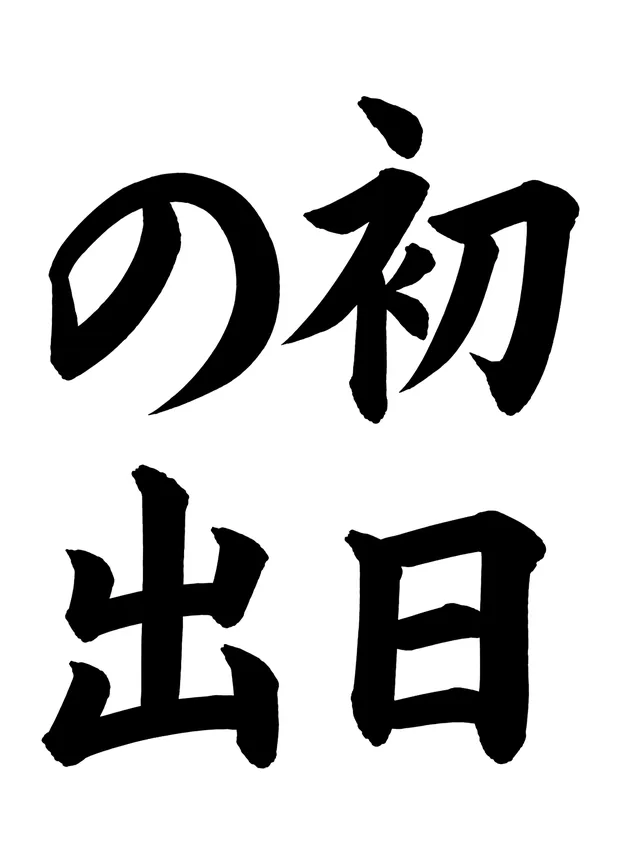
Gyosho行書running script
Which script should a beginner learn?
Kaisho. In kaisho, every stroke is visible, which makes it the best style for learning the basic movements of the brush.
- Every stroke is visible. You can see clearly where each stroke begins, how it travels, and how it ends.
- The faster scripts are built on it. Gyosho and sosho use the same movements but hide some of them inside quick connections. If you learn to write a clear, balanced character in kaisho, the faster styles will make sense later.
- Japanese students follow the same order. Elementary school children write in kaisho, and gyosho is introduced in middle school.
- Adults go back to it, too. Many adults who return to shodo after many years start again with kaisho, because it shows every weakness and every improvement.
Try it now
One word, two scripts.
Print the sheet for 志 (kokorozashi, aspiration) and trace the kaisho model, one complete stroke at a time. Then look at the gyosho version and find the same strokes inside it.
Questions
What are the five scripts of Japanese calligraphy?
Tensho (seal script), reisho (clerical script), kaisho (regular script), gyosho (running script), and sosho (cursive script). Tensho is the oldest, kaisho is the clear, upright style taught first in Japanese schools, and gyosho and sosho are faster and more flowing. Kana is a separate area of study.
What is the difference between kaisho and gyosho?
In kaisho, every stroke is written separately and fully, so the character is upright and clear. In gyosho, the writing is faster and softer: some strokes connect, and corners become rounder. Japanese children write in kaisho in elementary school and usually begin gyosho in middle school.
Which script is used on Japanese name seals?
Tensho, the seal script, with its even, rounded lines of the same thickness. It is the oldest of the five scripts and is still used today for name seals (hanko) and for the seal stamps on artworks.