 Soroban
 Calligraphy
 Art
Which class is right for my child?
In the age of AI,
pick the skills
to grow from
3 classes.
Number sense through soroban (Japanese abacus), writing by hand through calligraphy, and self-expression through art. These are skills AI can’t grow for your child. Choose the class that suits your child.
Soroban classStrong with numbers | Learn more
Calligraphy classWriting well by hand | Learn more
Art classExpressing themselves | Learn more
- Soroban & calligraphy: kindergarten (age 5–6) to junior high
- Art: Grade 1–6
- All once a week
- Toyohashi, Toyokawa, Okazaki, Anjo, Toyota, Hamamatsu, Hanoi
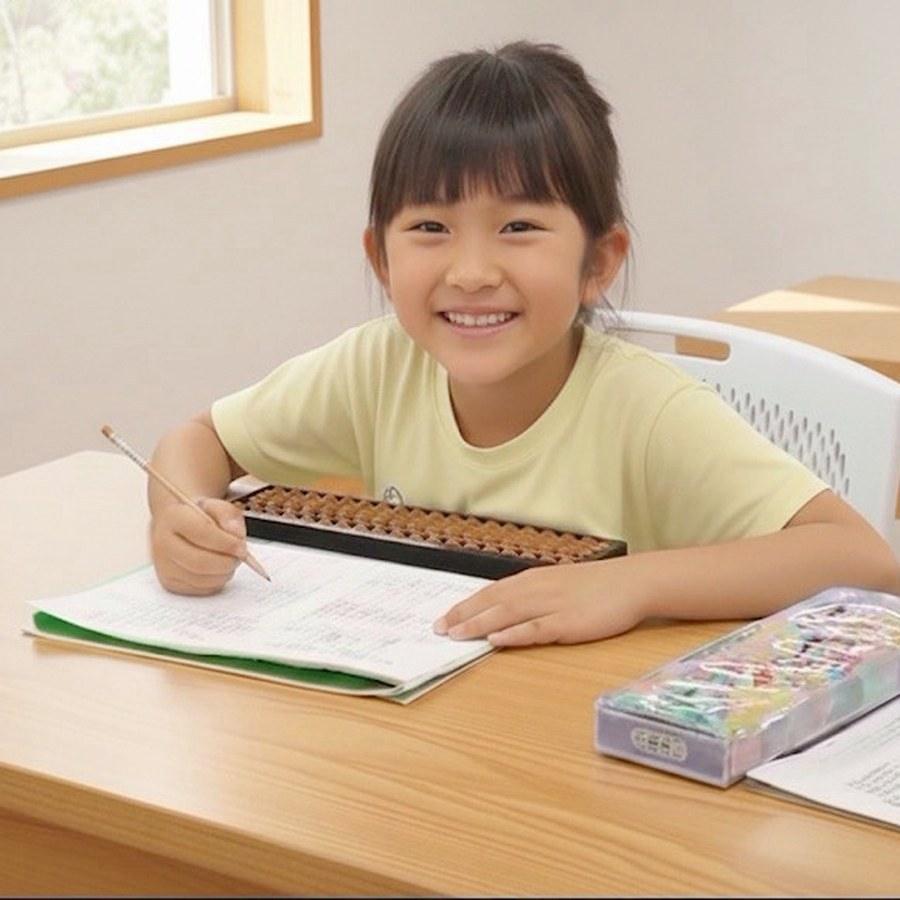
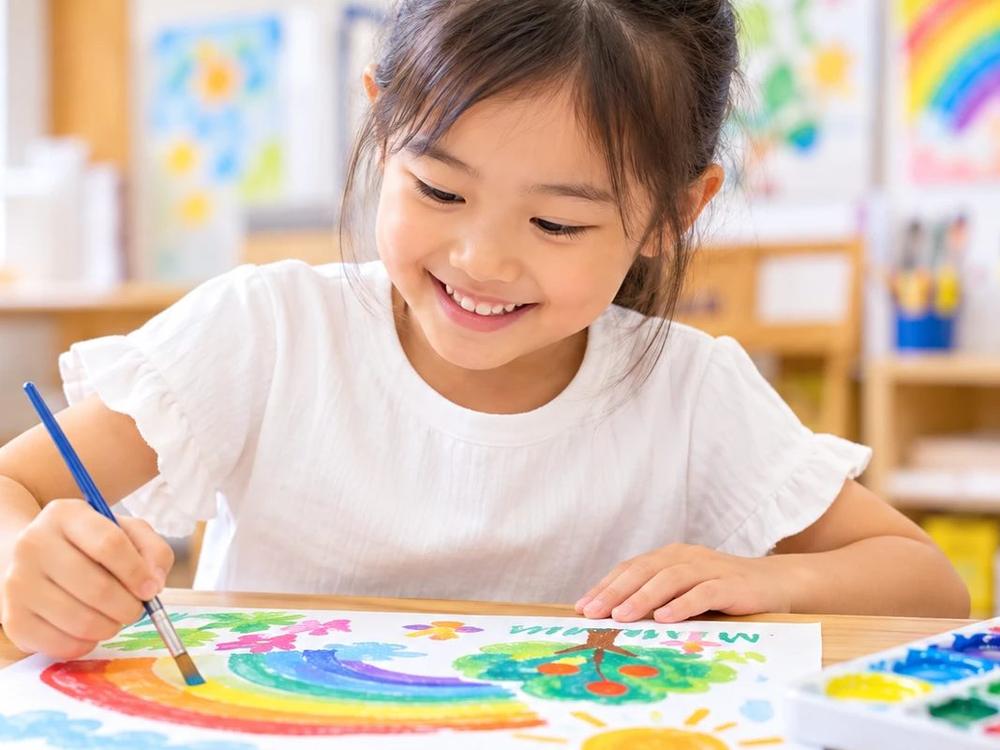
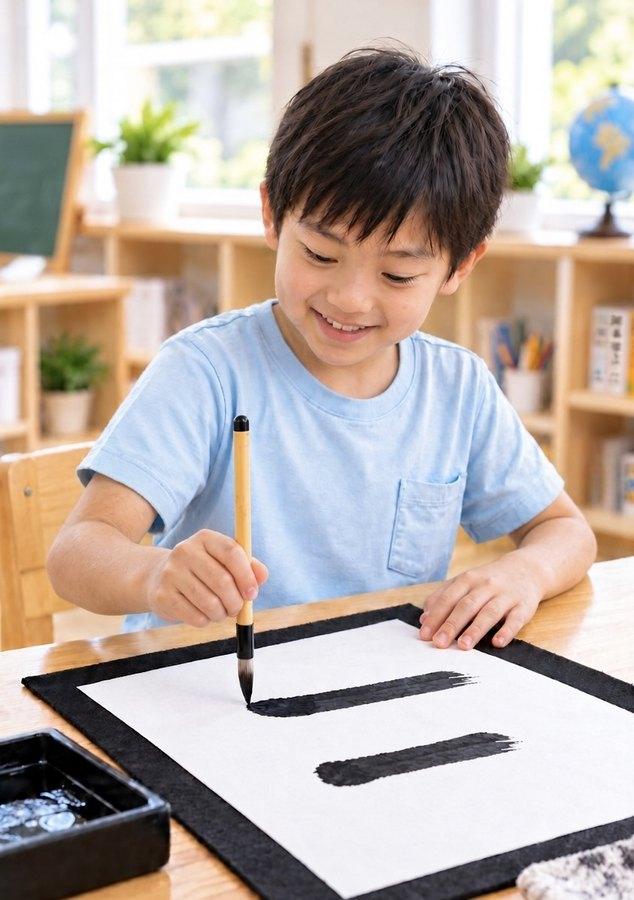
Which
one?

Our classrooms are around hereToyohashi, Toyokawa, Okazaki, Anjo, Toyota, Hamamatsu, and Hanoi, Vietnam
- Soroban
- Calligraphy
- Art
- Two or more subjects
Is there one near you?
Start with what
you’re wondering about
- Makes many calculation mistakes, or feels weak at mathSoroban
- Finds it hard to stick with one thing for a long timeSorobanCalligraphy
- Handwriting is so messy that even they can’t read itCalligraphy
- You’re concerned about how they hold a pencil or their posture when writingCalligraphy
- Says “I can’t draw well” and stops drawingArt
- Finds it very hard to speak in front of othersArt
At Kodomo School, you can
choose what fits your child.
Let AI do
what AI does well.
What we want to grow
in our children is—
What AI and computers do well
- Any calculation, instantly and accurately
- Neat text, typed out in seconds
- A polished picture, made in a moment
Strengths that can only grow inside a child
- A feel for numbers: knowing “about how much”
- Looking closely at shapes and writing them correctly by hand
- Deciding for yourself “what do I want to draw?”
Soroban builds “numbers,” calligraphy builds “words (letters),” and art builds “expression.” All three are a foundation of mind and heart for growing into someone who uses AI and apps well.
Which class grows
which strengths?

Strong with numbers
- A sense of numbers, felt as the shape of the beads
- Focus to solve accurately within a time limit
- Confidence that grows with every grade: “If I try, I can do it”

Writing well by hand
- Looking closely at shapes and writing in the correct stroke order (brush writing and pencil handwriting)
- Calm and focus, facing each stroke
- Confidence built through dan exams and calligraphy contests

Expressing themselves
- Turning “I like this” and “I want to do this” into shape: the power to express
- Showing their work and finding the good in others
- Looking at famous paintings and asking “why?” (art × philosophy dialogue)
If you apply to join within one week of the trial, we refund the ¥1,000 trial fee.
See the art class page ›“We’re glad we chose it”
says it best
My child always goes happily, and tells me with a big smile what the teacher praised and how they’ve improved. Thank you so much!
The kanji my child writes for homework practice has been getting neater. Thank you, as always.
My child used to be very shy, but in class they have changed so much that they now present their own work proudly and confidently. They are growing in heart, too.
※ Comments from parents (individual opinions). Translated from Japanese.
6 reasons it’s easy to keep going
- At a community center near youClasses are held at local community centers and similar places. Familiar places, with drop-off and pick-up close to home.
- All once a weekSoroban and calligraphy are 60 minutes; art is 80 minutes. An easy pace after school.
- We praise to help children growTeachers watch each child’s progress and praise them along the way.
- Homework that fits each childHomework is never forced. Teachers set it to suit each child’s motivation and situation, after talking with the child.
- Effort you can seeSoroban grade exams and calligraphy dan exams are held at their usual classroom. In art, children show their work and recognize each other.
- Try a lesson firstSoroban and calligraphy trial lessons are free. Art is 40 min, ¥1,000 (refunded if you apply to join within one week). Decide to join after talking it over at home.
What Kodomo School values
“Visible skills” and
“invisible strengths”
Visible skills (flowers & fruit)
- Calculation
- Beautiful handwriting
- Self-expression
- Focus
Soroban technique and beautiful handwriting. We teach these visible skills carefully, without cutting corners.
Invisible strengths (the roots)
- Self-esteem
- Seeing things through
- Thinking skills
- Gratitude
A heart that can believe “I can do it” and “It’s OK to be just who I am.” We believe this is the foundation that supports a whole life.
The roots of a tree can’t be seen. But a tree with deep, wide roots stands firm in any wind and bears beautiful flowers and fruit.From the founder’s message
From our community to the world
The learning that began in our Toyohashi classrooms now reaches children in Hanoi, Vietnam, too.
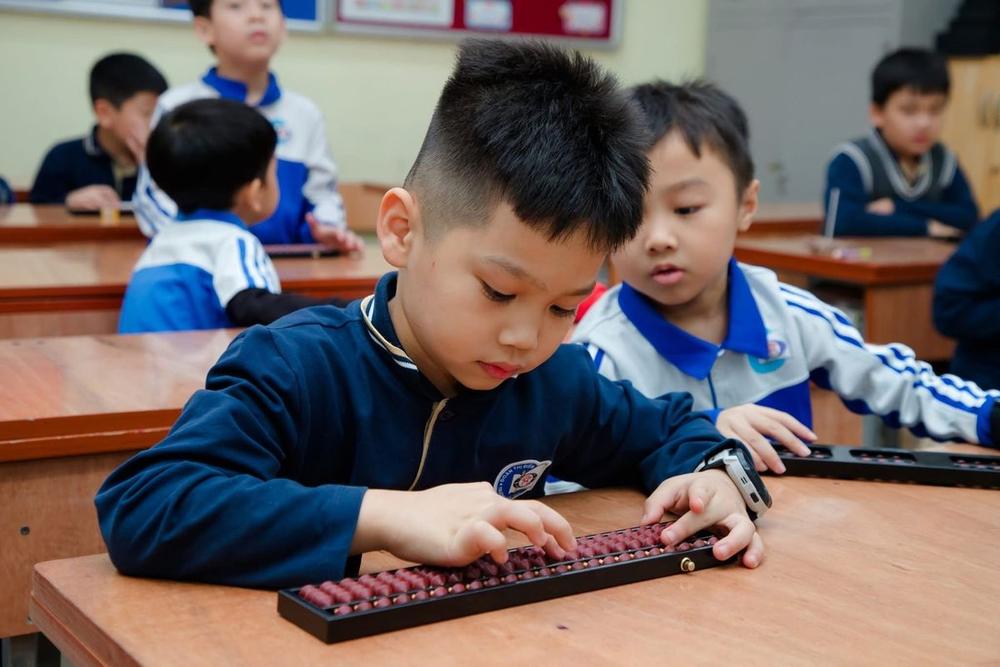
A school in Hanoi, Vietnam, too
Since June 2023, we have taught Japanese-style soroban in Hanoi (Kodomo Soroban Center).

Selected by Japan’s Ministry of Education
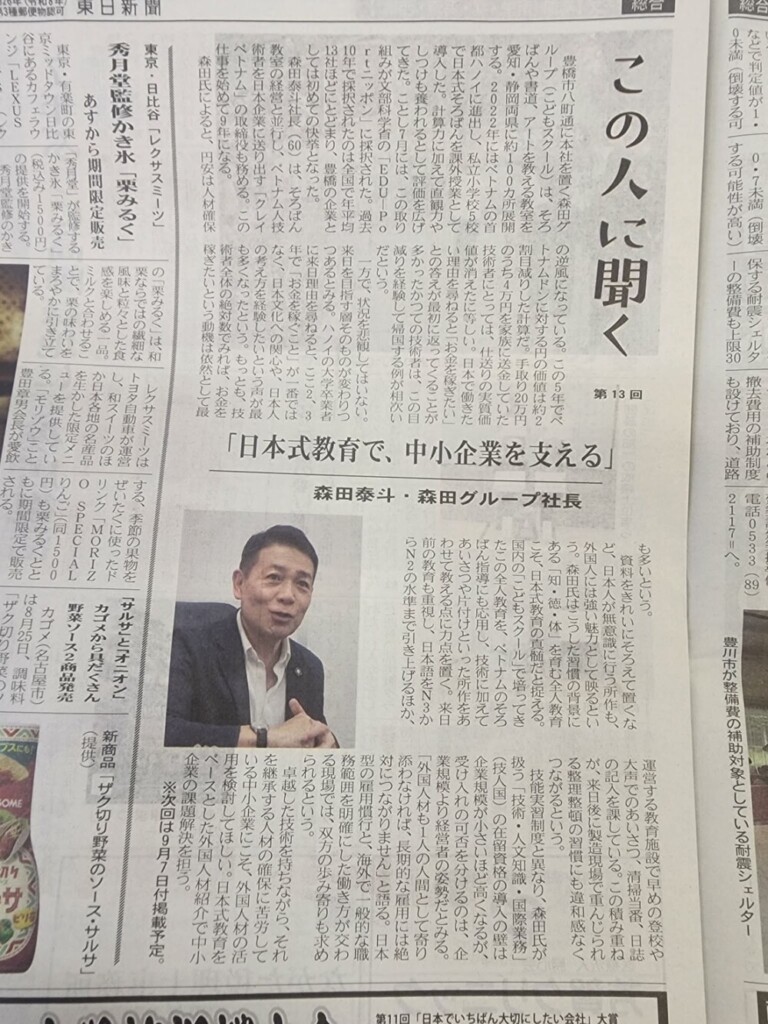
Our Japanese-style soroban education in Vietnam was selected as a supported project of “EDU-Port Japan,” run by Japan’s Ministry of Education (MEXT).

Books & talks by our founder
Including 『こどもの「自己肯定感」がグングン育つ本』 (“A Book That Helps Children’s Self-Esteem Grow and Grow”). He also gives talks and training sessions on parenting and education.

First, try the
class you’re curious about
Please check the classroom atmosphere and how your child gets along with the teacher, together with your child. If you can’t decide, feel free to ask us on LINE or by phone.
Our head office staff will contact you about the day, time and place. Art trial lessons are booked through the form on the art class page. The ¥1,000 art trial fee is refunded if you apply to join within one week of the trial.
What’s new at Kodomo School
News is in Japanese only.